DJLINK.me
Back to journal
Artist Growth4 min read

How a Promoter She'd Never Met Found Her at 11pm on a Tuesday

A melodic techno DJ in Amsterdam turned a simple link in bio into a real booking from a promoter she had never met — without chasing the opportunity herself.

DE
DJLink.me Editorial Team

Editorial · Insights and strategies for DJs, agencies, and music professionals looking to grow bookings and streamline their workflow.

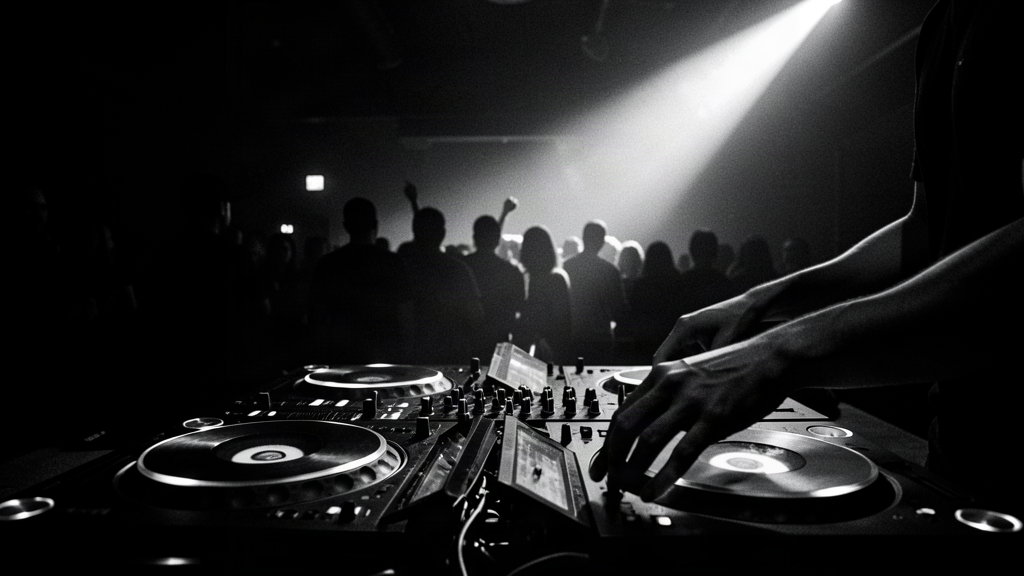
Female DJ performing in a club with moody lights and audience

Melodic techno. Amsterdam. A link in a bio. One booking she didn't have to chase.

Mara had been playing in Amsterdam for three years. Not headline sets, not huge festival slots — warm-up sets, smaller rooms, and the kinds of nights where the lineup might not be announced until the week before. She was good. The people in the room knew it. The challenge was what happened outside the room.

She was not invisible. Her SoundCloud had a following. Her Resident Advisor profile was up to date. She posted consistently. She was doing the things artists are told to do.

But bookings outside her immediate circle still arrived slowly, mostly through word of mouth, or not at all. And when they did come in, they usually started as Instagram DMs that were vague, incomplete, or difficult to judge. No clear date. No real budget. No venue detail. No sense of whether the enquiry was serious.

She would reply, wait, reply again, and often by the third message still not know whether she was discussing a paid booking or being casually asked to play for exposure.

The Shift

In October, she set up a DJLink.me page.

It took about an hour. She uploaded her press kit, updated her availability for the rest of the year, and wrote a simple one-line bio that clearly positioned her sound: melodic techno and organic electronics, Amsterdam, touring Europe.

Then she added the link everywhere it mattered — Instagram bio, SoundCloud description, Mixcloud profile, Resident Advisor page, and her email signature.

Then she went back to making music.

The Enquiry

Three weeks later, just after eleven on a Tuesday night, a booking enquiry came in.

She did not know the promoter. They had never spoken before.

He ran a small but respected night in Ghent — not a giant event, but exactly the kind of room she wanted to be playing. He had found her through a mix on SoundCloud, clicked the link in her bio, landed on her page, looked through her materials, checked her availability, and submitted a full enquiry.

The enquiry included the date, venue, expected crowd size, fee offer, and his contact details.

That mattered because everything was clear from the start. She could understand the opportunity immediately. There was no vague back-and-forth. No trying to work out what he actually wanted. No guessing whether the message was serious.

What Happened Next

She accepted the hold the next morning.

The contract went out that same afternoon. It was signed digitally on the same day. The invoice was sent the following week and paid before the show.

That sequence sounds almost too smooth, but that was the point. It only felt unusual because so many DJ booking conversations are still built on friction, delay, and scattered communication.

What Actually Changed

The discovery did not begin with DJLink.me. It began with her music and her consistency.

The SoundCloud mix did its job. Her RA profile did its job. Her social presence did its job.

But before that, all of those discovery points led into a messy process. Interest existed, but there was no clear place for it to land. A promoter might find her and still not know the next step. That is where opportunities get lost.

What changed was not just the page. It was the path.

Instead of discovery ending in a DM or a vague email, it ended in a structured enquiry with real information. That one change improved the quality of the opportunity immediately.

Why This Story Matters

Many artists think the next breakthrough comes from posting more, chasing more, or spending more time trying to force visibility. Sometimes that is true. But sometimes the visibility is already happening and the real weakness is what happens after someone becomes interested.

If the right promoter finds you and there is no clear booking path, that interest can disappear quietly.

A strong artist page does not replace your music, your network, or your consistency. It simply gives those things somewhere useful to lead.

After the First Booking

Mara started with the free version of DJLink.me. After another enquiry came through, she upgraded because she wanted to understand which channels were actually converting and where serious interest was coming from.

That was the next layer of clarity. Not just being found, but understanding what was working.

The Bigger Lesson

Sometimes the breakthrough is not more content. It is better infrastructure.

A promoter she had never met discovered her through music she had already posted, clicked a link she had already added, and submitted a booking enquiry she did not have to chase.

That is the difference between being visible and being easy to book.

Share this article

Related articles

  • Linkfire, Feature.fm, or DJLink.me — Which Platform Is Right for Your Label?

    Linkfire and Feature.fm help labels track music marketing — but do they help you convert attention into bookings and revenue? Here’s the honest comparison.

  • She Was Posting Every Day. None of It Was Working.

    She was consistent, active, and visible — but still not getting booked. The problem wasn’t effort, it was not knowing what was actually working.

  • One Message. Every Promoter He'd Ever Worked With.

    Instead of chasing new bookings, he sent one message to every promoter he already knew — and turned existing contacts into confirmed shows.

Built for artists, agents, and labels

Link-in-bio, enquiries, contracts, and invoices in one place—without retyping the same details in five tools.